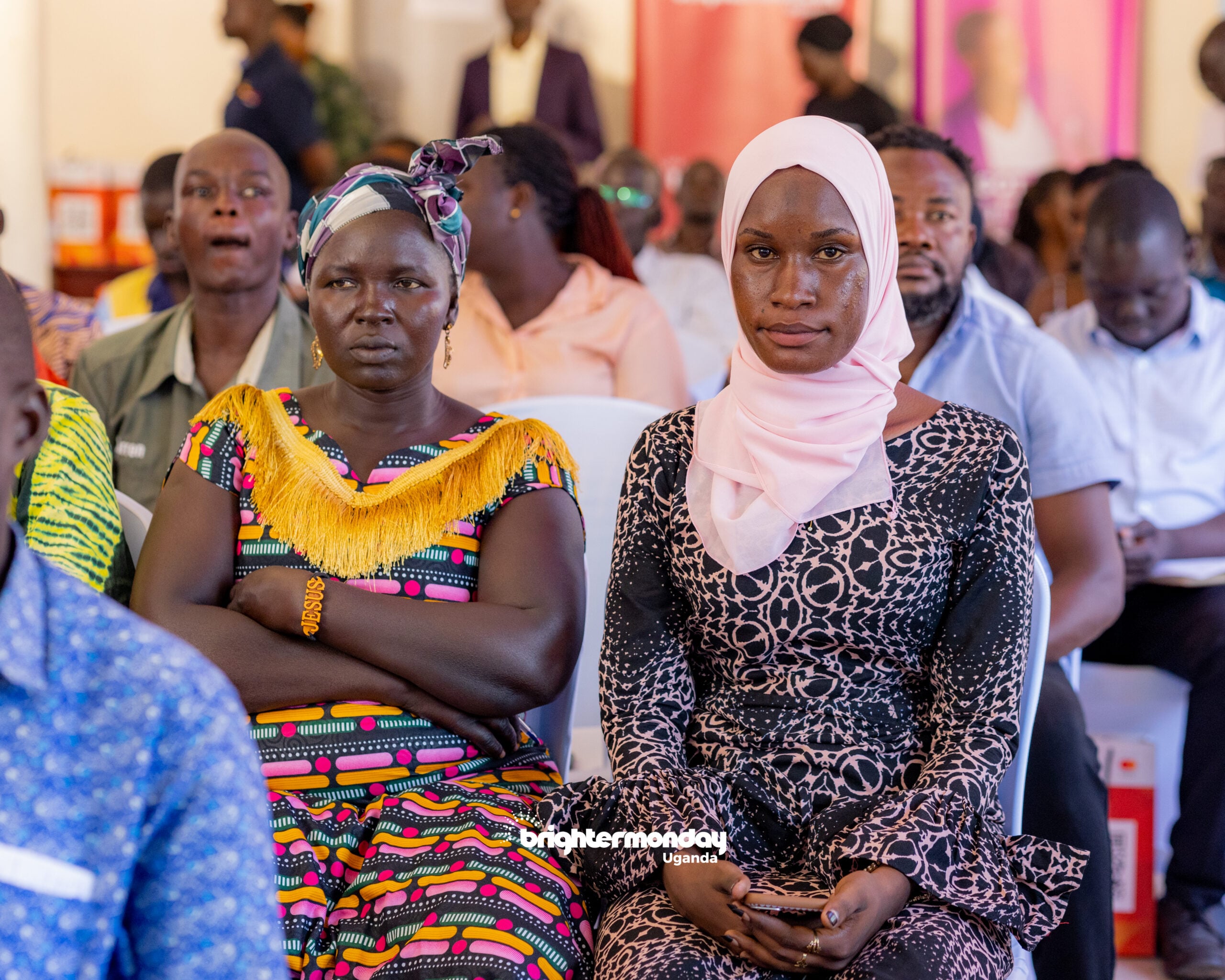
For decades, the standard path to economic mobility for young Ugandans was predictable: leave regional towns, move to Kampala, and endure high urban living costs in search of formal employment.
Today, that geographic tax is becoming obsolete. Driven by expanding internet infrastructure, digital skills initiatives, and changing corporate operating models, a quiet shift is taking place across regional hubs from Arua and Soroti to Mbarara and Kabale. Young Ugandans no longer need a desk in Nakasero or Kololo to contribute to high-value projects.
With the right digital setup, practical skills, and positioning, rural and secondary-city youth can compete directly for remote roles—not only with Kampala-based employers, but with international clients across the global gig economy.
Table of Contents
The Remote Opportunity: Breaking the Urban Monopoly
Geographic location is rapidly decoupling from economic potential. Recent global research by the World Bank on the online gig economy reveals that a significant proportion of online gig workers hail from smaller towns and non-metropolitan areas. For youth in areas with limited local formal industry, remote work offers higher income potential, skill acceleration, and financial independence without the friction of urban migration.
At the national level, the landscape is aligning to support this decentralized workforce. The Uganda Ministry of ICT and National Guidance has launched a national Business Process Outsourcing (BPO) and Information Technology Outsourcing (ITO) strategy aimed at creating over 100,000 digital jobs by 2030. Crucially, this initiative includes regional innovation hubs situated at public universities outside Kampala—such as Muni University in Arua, Soroti University, and Kabale University—to ensure digital work reaches beyond the capital.
In parallel, industry bodies like the Information Communication and Technology Association of Uganda (ICTAU) are championing the transition from low-cost task execution to high-value Knowledge Process Outsourcing (KPO), enabling local talent to handle complex administrative, analytical, and creative roles remotely.
3 Tiers of Remote Opportunities for Regional Youth
Remote work is not limited to software engineering. Ugandan youth can target three distinct levels of remote service delivery:
- Basic Digital Operations (Low Barrier to Entry): Virtual assistance, data entry, customer support, and content moderation. These roles require basic digital literacy, reliable internet, and strong written English.
- Intermediate Specialized Services: Digital marketing, graphic design, social media management, book-keeping, and copywriting. These skill sets require functional tool mastery and can be built through short, self-paced certification courses.
- High-Complexity Knowledge Work: Web development, data analytics, UI/UX design, and AI prompt engineering. These roles yield premium earning potential on both national and international remote platforms.
The 4-Step Playbook to Secure Remote Work from Anywhere
Transitioning from local job hunting to remote service delivery requires a deliberate approach:
1. Build an Operational Workspace
Remote clients value reliability above all else. Before applying for roles, resolve the basic infrastructure equation:
- Connectivity: Secure a stable, primary mobile internet connection alongside a backup data option.
- Power: Invest in a reliable power bank or access community solar/hub infrastructure to prevent power outage disruptions during client deadlines.
- Communication: Set up a clean, noise-free space for video calls and client check-ins.
2. Master Asynchronous Communication
In remote settings, how you communicate is your professional identity. International and Kampala-based managers assess remote staff on responsiveness, clarity, and time management.
- Send clear, concise written updates.
- Acknowledge task assignments promptly.
- Flag potential delays early rather than waiting for deadlines to pass.
3. Create a Digital “Proof of Work”
Client trust is built on evidence, not geographic location. Rather than sending a traditional static CV, build a simple online portfolio showcase:
- Assemble 3 to 5 real or sample project deliverables (e.g., sample social media campaigns, data spreadsheets, or written articles).
- Host your portfolio on free platforms like GitHub, Behance, Canva, or Google Drive links embedded directly into your profile.
4. Leverage Structured Skilling and Local Platforms
Navigating global remote platforms can feel overwhelming for beginners. Start by building credentials through local workforce programs that connect training directly to market demand.
Initiatives like Project Gen-Kazi—a strategic collaboration between BrighterMonday Uganda and the Mastercard Foundation—offer free, self-paced learning paths covering digital capabilities, work readiness, and soft skills essential for remote client management.
Strategic Action Checklist for Rural & Regional Youth
To start landing remote projects:
- Audit Your Tool Skills: Identify 2 to 3 digital tools widely used in your field (e.g., Google Workspace, Canva, Trello, Excel, or ChatGPT for productivity).
- Gain Verified Credentials: Complete short, practical courses on the BrighterMonday Uganda Learning Platform to validate your capabilities.
- Position Your Profile: Create a clear, outcome-focused profile on local talent portals and professional platforms, emphasizing your availability for remote project work.
Where you live no longer dictates what you can build. By combining digital tools, verified soft skills, and reliable execution, regional youth across Uganda can unlock work opportunities anywhere in the world.
Resources & Next Steps
- Access Free Digital & Soft Skills Courses: Build work-ready credentials through the BrighterMonday Uganda Learning Platform.
- Explore Remote & Local Opportunities: Browse active vacancies and remote-friendly listings on the BrighterMonday Uganda Platform.